Showing 10 of 105 Blog Posts
Interlacing divides a video frame into two fields, which are displayed alternately to create a flicker-free image.
Codecs play an important role in film and video production, determining the quality and size of video files.
"Compression" in film and video production refers to the process of reducing the size of a video file while maintaining its quality.
Color grading involves adjusting the hue, saturation, and luminance of each shot to create a desired look.
In film and video production, resolution refers to the sharpness and clarity of an image and determines the overall quality of a production.
Frame rate affects the perceived motion and overall look of a video, with standard frame rates ranging from 24 fps to 60 fps.
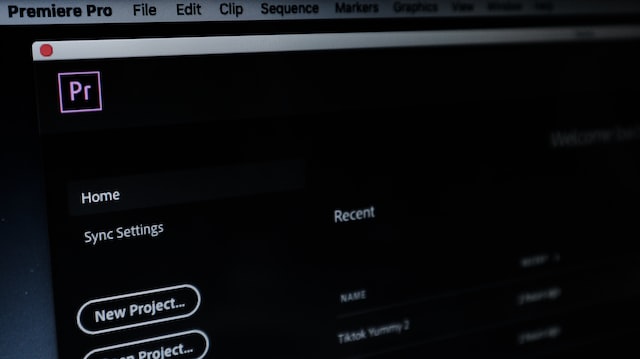
As a video editor, you know the importance of a streamlined workflow. The more efficiently you can work, the more time you can spend on the creative...
Aspect ratio is the relationship between the width and height of an image in film and video production. The aspect ratio determines the shape of the screen...
Keyframes form the basis of all motion animations in film and video production, allowing for precise control over motion and visual effects.
A sequence is a series of shots that are edited together to form a cohesive unit in film and video production. The term refers to a scene...